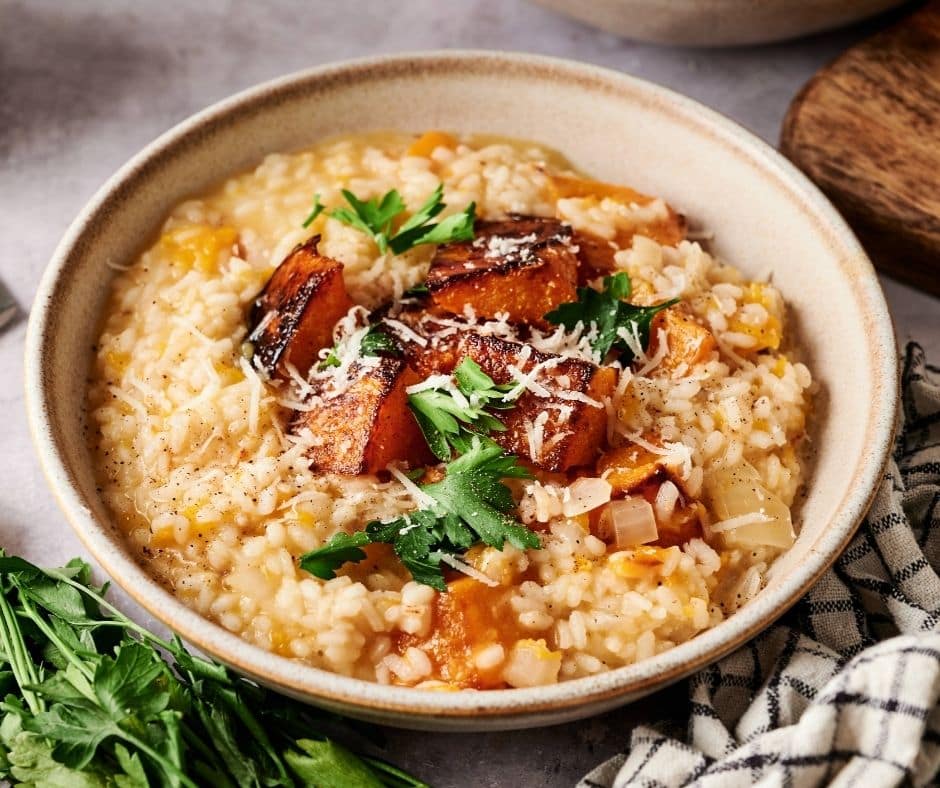
Unlocking the Magic of Butternut Squash Risotto: A Culinary Journey
As autumn leaves begin to fall and the air turns crisp, our cravings naturally shift towards warm, comforting, and deeply satisfying dishes. Among the pantheon of seasonal delights, butternut squash risotto stands out as a true culinary gem. Often perceived as a dish reserved for special occasions or restaurant menus, this incredibly creamy and flavorful risotto is, in fact, remarkably accessible for the home cook. It’s a dish that artfully balances gentle sweetness from the squash with savory depths, creating an experience that is both elegant and profoundly cozy.
For many, the sight of a beautiful butternut squash signals big cooking plans. This risotto often comes to the rescue, transforming that humble squash into a masterpiece. Beyond its impressive appearance, the process of making risotto offers a meditative experience in the kitchen, filling your home with the inviting aromas of sage and garlic as the squash slowly melts into the creamy rice. Whether you’re planning an intimate weeknight dinner or looking to impress guests, mastering this dish, particularly its signature creaminess, is a skill that will serve you well. It's truly a celebration of fall flavors, making it the perfect go-to meal for the season.
The Essential Ingredients: Building Blocks for Butternut Squash Risotto Perfection
Achieving that coveted, velvety texture and rich flavor in your butternut squash risotto starts with selecting the right ingredients. Each component plays a vital role, contributing not just taste but also to the overall mouthfeel.
The Star: Butternut Squash
- Preparation is Key: While you can dice and add raw butternut squash to melt into the risotto, for deeper flavor, consider roasting it first. Roasting until the edges are beautifully caramelized brings out the squash's natural sugars and adds a profound nutty sweetness that elevates the entire dish. Imagine those rich, brown edges – that’s pure flavor!
- Versatility: If butternut isn't readily available, or you simply want to experiment, firm winter squashes like kabocha, red kuri, or even delicata make excellent substitutes. Just ensure they are cut into small, even cubes for consistent cooking.
The Canvas: Risotto Rice
Not all rice is created equal when it comes to risotto. For that signature creamy texture, you need a short-grain, high-starch rice.
- Arborio: The most common and widely available choice, Arborio rice releases its starch beautifully, creating a creamy consistency without becoming mushy.
- Carnaroli: Often considered the "king of risotto rice," Carnaroli has a higher starch content and firmer grain, leading to an even creamier and more resilient risotto.
- Vialone Nano: A smaller, plumper grain, Vialone Nano also produces an exceptionally creamy risotto and cooks a bit faster.
Avoid long-grain or medium-grain rice, as they lack the necessary starch to achieve the desired creaminess.
The Liquid Gold: Broth
Broth is the lifeblood of risotto, gradually absorbed by the rice to release its starches. Remember:
- Always Warm Your Broth: This is a non-negotiable step. Adding cold broth to your simmering rice will shock it, halting the cooking process and slowing down the starch release, ultimately compromising your risotto's creaminess. Keep it gently simmering in a separate pot.
- Choose Wisely: Vegetable broth is excellent for a vegetarian or vegan option, while chicken broth adds another layer of savory depth. Opt for low-sodium varieties to have better control over the final seasoning of your dish. And always have a little extra on hand – you never know when the rice might need a final splash.
Flavor Foundation & Finishers
- Aromatics: Finely diced onion and garlic form the aromatic base, sautéed gently to release their sweet fragrances.
- Wine (Optional but Recommended): A splash of dry white wine (like Pinot Grigio or Sauvignon Blanc) after toasting the rice adds complexity and bright acidity, deglazing the pan and contributing to the overall flavor profile. If you prefer to omit wine, simply replace it with more warm broth, and consider adding a small splash of white wine vinegar or white balsamic at the very end to achieve a similar brightness.
- Parmesan Cheese: Good quality Parmesan (or a suitable dairy-free alternative) is essential. Grate some into the risotto at the final stage for savory richness and a boost of umami, and reserve more for sprinkling at the table.
- Herbs & Garnish: Fresh sage is a classic pairing with butternut squash. Consider frying a few sage leaves until crispy for an elegant garnish. Toasted pine nuts add a delightful crunch and nutty flavor. Fresh parsley adds a pop of color and herbaceous freshness. For those who enjoy a salty, smoky contrast, crispy pancetta or bacon bits are a wonderful addition.
The Art of Perfect Creaminess: Mastering the Risotto Method
Achieving that dreamy, creamy butternut squash risotto is less about secret ingredients and more about technique and patience. It's a dance between heat, liquid, and careful attention.
Step-by-Step for Velvety Perfection:
- Sautéing Aromatics: Begin by gently sautéing finely chopped onion and garlic in olive oil or butter until softened and translucent. Do not brown them, as this can impart a bitter flavor.
- Toasting the Rice (Tostatura): Add your risotto rice to the pan and stir constantly for 1-2 minutes until the edges of the grains become translucent and the center remains opaque. This "toasting" step helps to seal the individual grains, ensuring they absorb liquid slowly and cook evenly without becoming gummy, which is crucial for texture.
- Deglazing with Wine: Pour in your dry white wine (if using) and stir until it's completely absorbed by the rice. The alcohol evaporates, leaving behind a concentrated flavor.
- The Gradual Broth Addition: This is the heart of the risotto method. Add one ladleful of warm broth at a time, stirring gently but regularly. Allow each ladleful to be almost completely absorbed by the rice before adding the next. This slow and steady approach forces the rice grains to rub against each other, releasing their natural starches into the liquid, which is what creates the characteristic creamy consistency.
- Gentle Heat & Consistent Stirring: Maintain a gentle simmer throughout the process. Too high heat will cook the rice too quickly on the outside while leaving the inside raw, and it will evaporate the broth too fast. While constant stirring isn't necessary, frequent stirring ensures even cooking and starch release. Risotto isn't hard, but it does like a little attention.
- Incorporating the Squash: If you're using pre-roasted butternut squash, add it towards the end of the cooking process, allowing it to warm through and meld with the rice. If you're adding raw squash, ensure it's diced very small so it can cook and melt into the risotto as the rice absorbs the broth.
- Testing for Doneness: After about 18-20 minutes, the rice should be al dente – tender with a slight bite in the center. The risotto should be creamy and flowing, not stiff. This consistency is known as all'onda, meaning "wavy."
- Manteca (The Final Finish): Remove the risotto from the heat. Stir in a knob of butter (or a dairy-free alternative) and a generous handful of grated Parmesan cheese. Stir vigorously for a minute or two. This vigorous stirring, combined with the fats from the butter and cheese, creates an emulsion that further enhances the risotto's incredible creaminess and glossy finish.
Elevating Your Butternut Squash Risotto: Pro Tips & Variations
Once you’ve mastered the basics, there are countless ways to customize and enhance your butternut squash risotto:
- Dairy-Free/Vegan Version: This dish can be incredibly creamy and comforting even without dairy. Use vegetable broth, nutritional yeast for a cheesy flavor, and a plant-based Parmesan alternative. A swirl of olive oil at the end can substitute for butter in the manteca step. For a deeper dive into this, check out our guide on Creamy Butternut Squash Risotto: Your Go-To Fall Meal (Vegan Option!).
- Garnish Game: Don't underestimate the power of a good garnish. Crispy sage leaves, toasted pine nuts, a drizzle of high-quality extra virgin olive oil, a sprinkle of fresh parsley, or even a hint of truffle oil can transform your risotto into something truly special.
- Protein Power-Up: For a heartier meal, pan-seared scallops, roasted chicken, or those crispy pancetta bits mentioned earlier make excellent accompaniments.
- Spicy Kick: A pinch of red pepper flakes added with the aromatics can introduce a subtle warmth that beautifully complements the squash's sweetness.
Serving and Storing Your Masterpiece
Butternut squash risotto is best enjoyed immediately, straight from the pan, while it's still warm and gloriously creamy. The all'onda consistency is fleeting, and as it cools, risotto naturally thickens.
If you find your risotto has thickened too much before serving, don't despair! Simply stir in a splash of warm broth (or even a little water) to loosen it up and restore its luscious texture. For entertaining, remember that this recipe can easily be doubled to feed more guests, making it a reliable choice for easy weeknight comfort or guest-worthy elegance.
While risotto is truly at its peak when fresh, leftovers can be stored in an airtight container in the refrigerator for 1-2 days. To reheat, gently warm it on the stovetop over low heat, stirring in additional warm broth until it reaches your desired consistency. Be mindful not to overcook the rice during reheating.
Conclusion: Your Creamiest Butternut Squash Risotto Awaits
Making a truly exquisite butternut squash risotto is a rewarding culinary endeavor that combines simple ingredients with a patient, loving technique. It’s a testament to the idea that some of the most impressive dishes are born from careful attention and a little time. By understanding the role of each ingredient and embracing the gradual rhythm of the risotto method, you'll unlock a dish that is rich, comforting, and wonderfully creamy every time. So, grab that beautiful butternut squash, gather your ingredients, and prepare to create a fall-inspired masterpiece that will delight your senses and impress everyone at your table.
